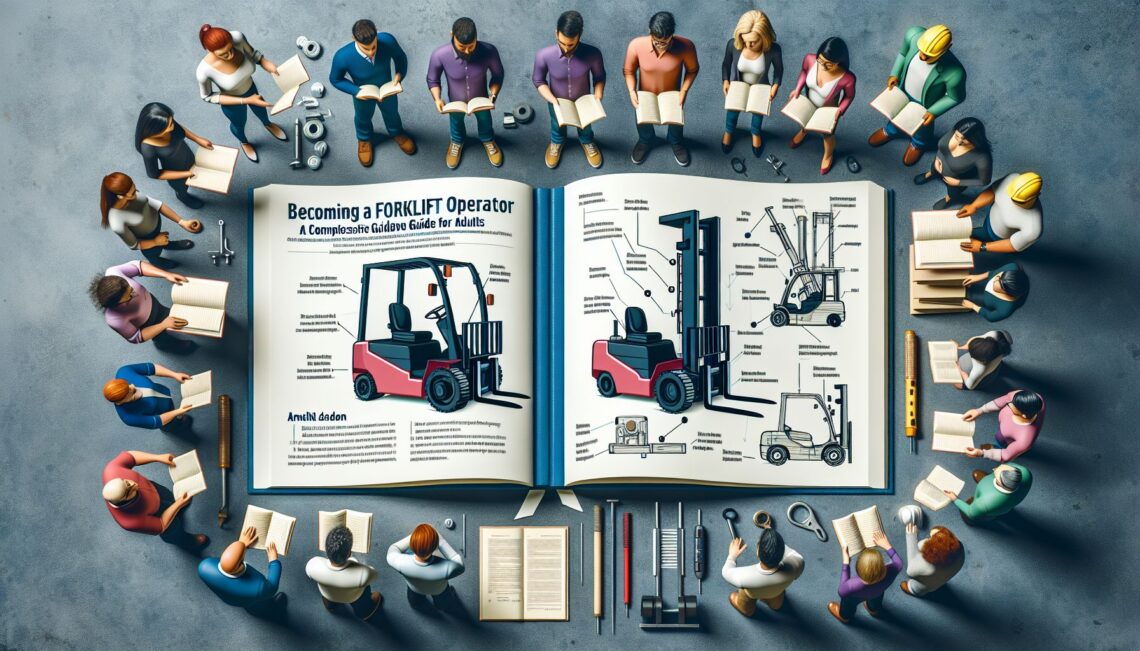
Becoming a Forklift Operator: A Comprehensive Guide for Adults
Forklifts play an essential role in numerous industries, from manufacturing and warehousing to construction and transportation. This versatile equipment is integral to moving heavy materials around worksites efficiently and safely. Consequently, forklift operators are in high demand and provide a rewarding, well-compensated career for many adults.
Introduction
Before embarking on a career as a forklift operator, it’s essential to intimately understand the roles, responsibilities, and practical steps needed to become successful. This guide will provide a comprehensive pathway for those seeking to join the ranks of forklift operators and will particularly emphasize the pertinence of workplace safety throughout the journey.
Understanding the Job
What Do Forklift Operators Do?
Forklift operators are an indispensable part of a company’s supply chain, responsible for operating and managing forklift trucks to ensure goods are moved safely and efficiently. They load and unload large materials onto and off trucks, manage inventories and adhere to safety procedures to prevent workplace accidents.
Nature of the Job
For individuals who prefer hands-on work outside the constraints of a typical office environment, becoming a forklift operator might be an appealing option. However, the job does require physical strength and agility, alongside attention to detail, responsibility, and a prioritization of safety.
Education & Training
Minimum Educational Requirements
A high school diploma or equivalent is generally the minimum educational requirement for becoming a forklift operator. However, employers often prioritize individuals who possess more advanced skills and qualifications in relation to the job.
Forklift Certification
To operate a forklift, you must obtain a forklift certification. The Occupational Safety and Health Administration (OSHA) mandates that all forklift operators must successfully complete a training course and pass an evaluation program. The training program generally includes formal instruction (e.g., lectures or written material), practical training, and a skills evaluation.
Advancing Your Forklift Career
Gaining Experience
After earning your certification, honing your skills on the job is essential. Most employers provide on-the-job training to help new drivers learn the specific types of forklifts used in the workplace and become familiar with the materials they will handle.
Career Advancement Opportunities
With experience, a forklift operator can advance to roles such as a forklift trainer, operations supervisor, or logistics manager.
Safety in the Workplace
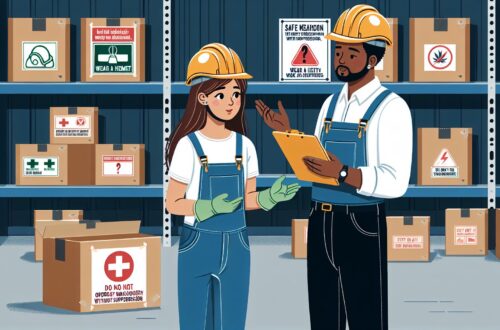
Whether you’re operating or simply working around a forklift, safety is paramount. Forklift accidents can result in serious injuries or even fatalities. Following safety guidelines and adhering strictly to training protocols can prevent most accidents at work.
Safe Operation of Forklifts
Regular inspections before and after each use, strict adherence to loading limits, ensuring proper visibility, and wearing appropriate safety gear are some steps to ensure safe operation of forklifts.
Creating a Safe Work Environment
Employers can help create a safe working environment by maintaining clean, organized work areas, ensuring that all operators have the necessary training, and implementing thorough and regular equipment inspections.
Conclusion
Becoming a forklift operator is a rewarding career for adults who prefer hands-on work and want a constant emphasis on safety. The process requires minimal educational prerequisites, and the industry offers various career advancement opportunities. However, the burden of responsibility is high, given the potential for accidents. Therefore, safety in operation and maintaining a safe work environment should always be top priorities.