Protective Equipment in Warehouses: Ensuring Workplace Safety
Warehouses play a crucial role in the storage and distribution of goods, serving as the backbone of many industries. However, due to their dynamic and fast-paced nature, they pose several hazards to the workers, making personal protective equipment (PPE) vital for ensuring workplace safety. In this article, we will explore some common protective equipment used by warehouse workers and the significance of incorporating them into daily operations.
Head Protection
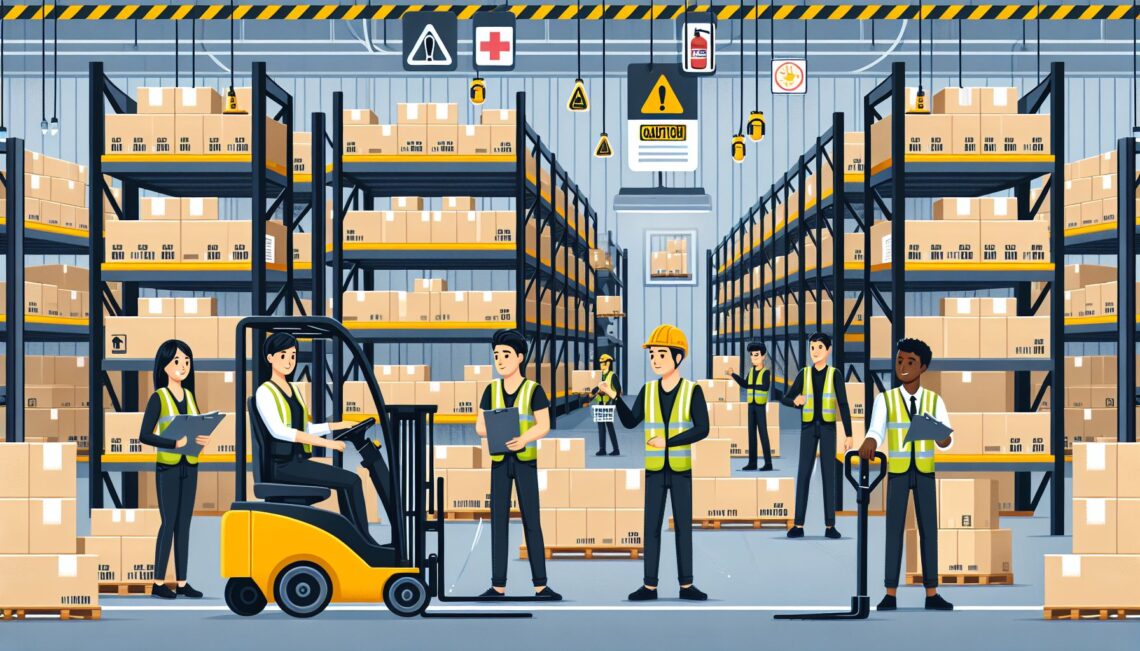
The head is particularly vulnerable to injury in a warehouse environment, where falling objects, moving equipment, and low-hanging structures are ever-present. A hard hat, a common piece of PPE, provides essential protection against such hazards, shielding workers from potential head injuries. Choosing a hard hat that fits snugly and has appropriate suspension system is crucial for its effectiveness.
Eye Protection
Sharp objects, flying debris, and harmful chemicals are just a few hazards that can damage workers’ eyes in a warehouse. Wearing safety glasses or goggles is therefore imperative to mitigate such risks. These specialized eyewear solutions provide a barrier against particles, liquids, and harmful fumes, contributing to overall eye safety. It is essential to ensure that safety eyewear meets the necessary standards and fits comfortably over prescription glasses if required.
Ear Protection
In a bustling warehouse, the constant noise generated by heavy machinery, conveyor belts, and forklifts can expose workers to significant hearing damage over time. By wearing earmuffs or earplugs, warehouse personnel can effectively reduce their exposure to loud noises, thereby minimizing the risk of long-term hearing loss. It is vital to choose ear protection devices with appropriate noise reduction ratings and to use them consistently.
Hand and Arm Protection
Warehouse workers often handle merchandise, machinery, and materials that can cause hand and arm injuries. Protective gloves made from sturdy materials like leather, rubber, or Kevlar are essential in reducing the risk of cuts, bruises, burns, chemical exposure, and repetitive motion injuries. Selecting gloves that match the specific hazards in a particular work environment is crucial to ensure maximum protection without hindering dexterity.
Foot Protection
Warehouses are filled with potential foot hazards, such as falling objects, slippery surfaces, sharp corners, and heavy machinery. Safety footwear, including steel-toed boots or shoes, provide excellent protection against crushing injuries, punctures, and impacts. Properly fitting safety shoes with slip-resistant soles are essential to prevent slips, trips, and falls, fostering a safer work environment.
Conclusion
Warehouse workers face numerous hazards throughout their daily tasks, which necessitate the use of personal protective equipment. From head to toe, a comprehensive set of protective gear plays a pivotal role in minimizing injuries and ensuring workplace safety. By incorporating measures such as head protection, eye protection, ear protection, hand and arm protection, and foot protection, employers demonstrate their commitment to safeguarding their workers’ well-being.
Remember, personal protective equipment is only effective when used correctly and consistently. As warehouse workers, it is our responsibility to familiarize ourselves with the specific hazards we face and to use the appropriate protective gear as recommended. By prioritizing safety and making PPE an integral part of our daily routine, we can reduce the risk of accidents and maintain a safe work environment for all. Stay safe, work smart!